Green roofs are rapidly gaining recognition as effective solutions that blend urban development with environmental sustainability. These nature-based designs not only enhance the aesthetic and ecological value of urban spaces but also offer tangible economic and social benefits.
Understanding the concept and benefits of green roofs
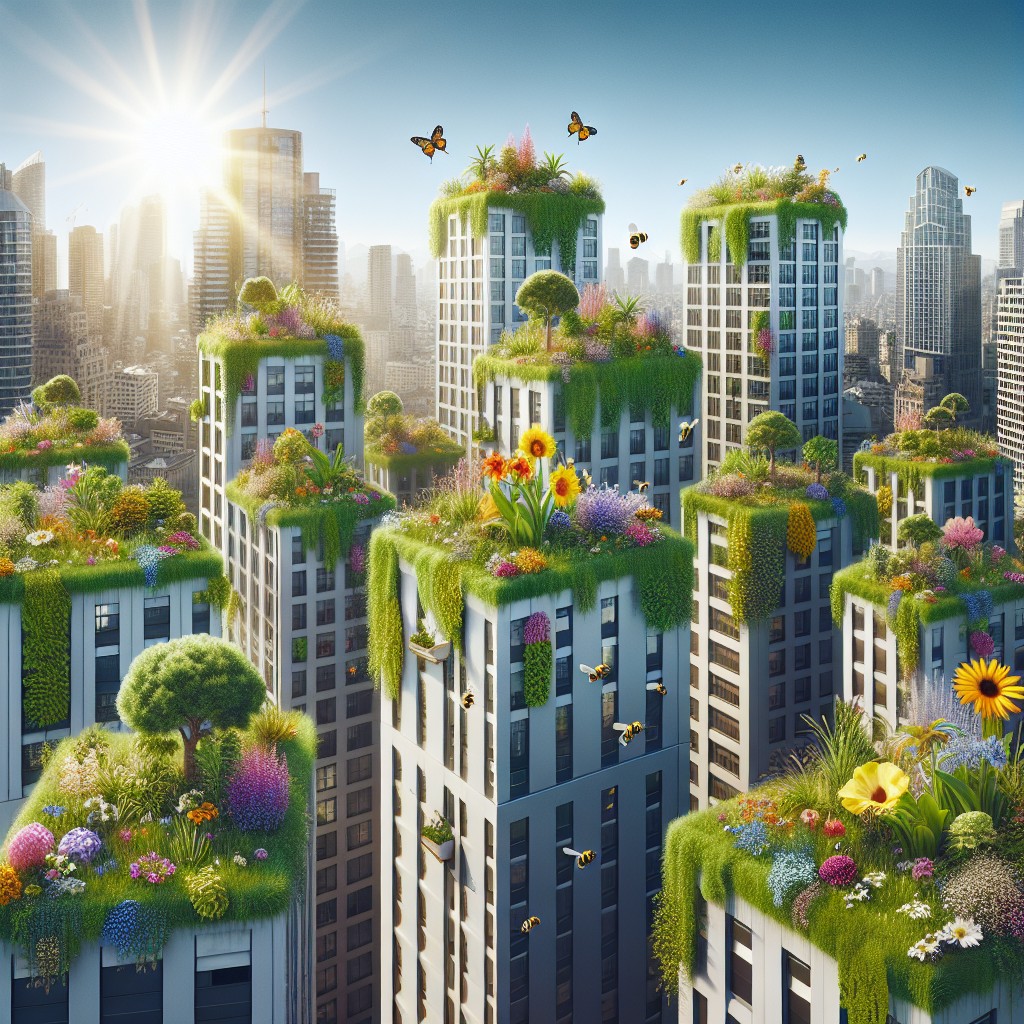
A green roof refers to a building roof partially or completely covered with vegetation and soil, or a growing medium, planted over a waterproof membrane. This innovative design approach helps mitigate urban heat island effects, manages stormwater runoff, and improves air quality. Studies have demonstrated that green roofs can reduce building energy demands by providing additional insulation, which decreases heating and cooling costs.
Economic incentives and cost-effectiveness of green roofs
While the initial installation costs of green roofs may be higher compared to conventional roofs, the long-term savings and benefits often outweigh these expenses. Property owners experience reduced energy bills, extended roof membrane lifespans, and increased property values. Furthermore, various cities and municipalities across the globe provide financial incentives, such as tax rebates or grants, to encourage the adoption of green roofs, reinforcing their cost-effectiveness and appeal.
Environmental impact and urban resilience through green roofs
Green roofs play a vital role in enhancing urban resilience by reducing surface runoff, which helps prevent flooding during heavy rain events. Their vegetation captures airborne pollutants and carbon dioxide, contributing to improved air quality and reduced greenhouse gas emissions. Additionally, green roofs create habitats for wildlife, promoting biodiversity within densely populated urban areas.
Challenges and considerations in implementing green roofs
Despite their advantages, integrating green roofs presents certain challenges. Structural load capacity of existing buildings must be assessed to support the additional weight. Maintenance requirements, including irrigation and vegetation management, vary depending on the system type. Selecting appropriate plant species that can thrive in local climates is crucial to ensure the sustainability and effectiveness of green roofs over time.
The future outlook of green roofs in urban planning
As climate change and urbanization pressures escalate, green roofs are expected to become increasingly significant in nature-based urban development strategies. Innovations in design, materials, and policy frameworks are likely to drive wider adoption globally. Experts predict that green roofs will continue to contribute to more resilient, livable cities by combining environmental functionality with economic and social incentives.
Green roofs represent a promising nexus where ecological considerations meet practical urban needs, indicating a shift toward more sustainable cityscapes worldwide. For further information on best practices and standards related to green roofing, resources such as the United States Environmental Protection Agency offer extensive guidance. Additionally, the United Nations Environment Programme provides global perspectives on eco-friendly building solutions, highlighting the role of green roofs in climate adaptation.
Frequently Asked Questions about green roofs
What are green roofs and how do they work?
Green roofs are vegetative layers installed on rooftops that provide insulation, reduce stormwater runoff, and improve air quality by supporting plant life and soil on a building’s roof.
Are green roofs cost-effective in the long run?
Yes, despite upfront costs, green roofs can lower energy expenditures, extend roof lifespan, and may qualify for financial incentives, making them economically beneficial over time.
What environmental benefits do green roofs provide?
Green roofs reduce urban heat, capture rainwater, filter pollutants from the air, and create habitats for wildlife, contributing positively to urban ecosystems.
Can green roofs be installed on all types of buildings?
Not all buildings are suitable; structural assessment is necessary to ensure the roof can support added weight and meet maintenance capability requirements for green roofs.
How is maintenance managed for green roofs?
Maintenance varies but generally includes monitoring vegetation health, irrigation especially during dry periods, and occasional weeding or replacement of plants to sustain green roof performance.