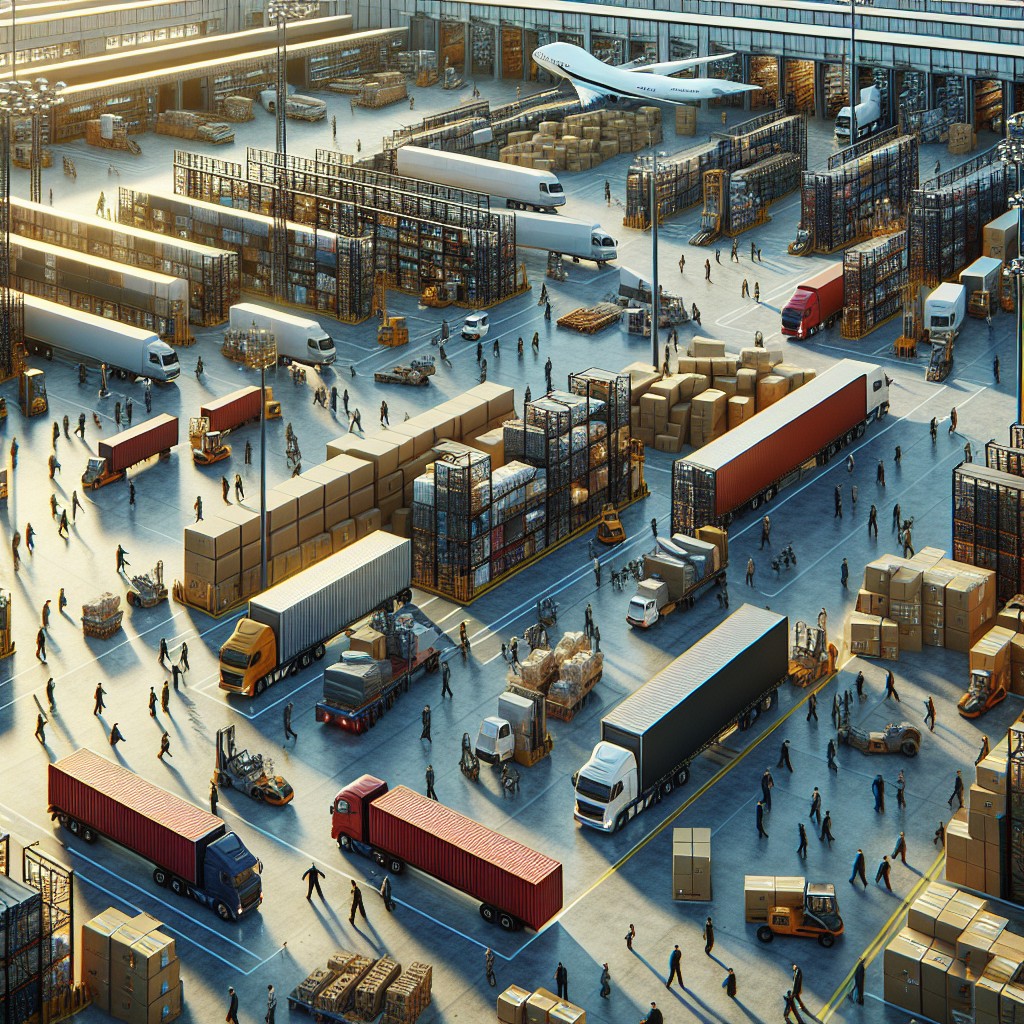
In recent years, Romania has experienced significant fluctuations in delivery times, affecting businesses and consumers alike. Understanding the underlying reasons behind these shifting delivery schedules requires a comprehensive look into the complexities of the modern supply chain dynamics and how various factors disrupt the flow of goods within and beyond the country’s borders.
Global supply chain disruptions and their local impact
The supply chain is a globally interconnected system, meaning that disturbances in one region often ripple through to others, including Romania. The COVID-19 pandemic, for example, caused widespread factory shutdowns and port delays worldwide, resulting in backlog and congestion that continue to affect delivery timing. Even as global conditions improve, lingering effects such as container shortages and logistical bottlenecks persist, influencing how quickly shipments arrive in Romania.
Romania’s infrastructure challenges
Infrastructure plays a critical role in the efficiency of any supply chain. Romania has been characterized by ongoing efforts to modernize its transport networks, yet some areas still face limitations. Road and rail networks, while improving, struggle with capacity issues and maintenance needs. These factors slow down the movement of goods once they arrive in Romania, contributing to fluctuating delivery times. Seasonal weather conditions also exacerbate these challenges, occasionally hindering transport routes.
Customs and regulatory factors
Customs procedures and regulatory compliance significantly affect supply chain flow. Romania’s position as a member of the European Union provides certain advantages, such as standardized rules and easier cross-border transit within the EU. Nonetheless, varying administrative procedures and occasional enforcement changes can introduce delays. For imports from non-EU countries, customs inspections and paperwork can impede the swift processing of goods, adding unpredictability to delivery schedules.
Supply chain labor and workforce issues
Labor shortages and workforce disruptions within the supply chain sectors also contribute to shifting delivery times in Romania. Truck drivers, warehouse staff, and port workers are essential nodes in the logistics network. Periodic strikes, labor market tightness, or health-related absenteeism can reduce operational capacity, leading to slower processing of shipments. Romania is actively working on training and retaining logistics professionals to mitigate these issues, though changes take time to impact the overall delivery timelines.
Technological adoption and digitalization
Modern supply chains increasingly rely on technology and digital tools for tracking, management, and optimization. Romania is progressing in adopting these solutions, but uneven deployment across companies and sectors means that efficiency gains are not fully realized yet. Enhanced digital coordination could help stabilize delivery times by improving transparency and responsiveness throughout the supply chain. Until then, manual processes may cause inconsistencies in shipment handling and communication delays.
Conclusion
The shifting delivery times in Romania are the result of multiple interacting factors within the global and local supply chain landscape. Global disruptions, infrastructure constraints, regulatory complexities, labor availability, and technological adoption all play roles in shaping delivery performance. While some causes are external and subject to global economic conditions, Romania’s ongoing investment in infrastructure and logistics modernization is expected to gradually improve delivery consistency. Businesses and consumers alike should anticipate that delivery times may continue to fluctuate in the short term but stabilize as systemic improvements take hold.
Frequently Asked Questions about supply chain
What is the main cause for fluctuating delivery times in Romania’s supply chain?
Fluctuating delivery times result from a combination of global supply chain disruptions, local infrastructure challenges, and customs procedures that collectively affect how quickly goods move through Romania.
How does Romania’s infrastructure affect its supply chain efficiency?
Romania’s road and rail infrastructure, although improving, still faces capacity and maintenance issues that slow the movement of goods, impacting delivery times within the supply chain.
Do customs regulations in Romania delay the supply chain process?
Yes, customs inspections and regulatory compliance, especially for imports outside the EU, can introduce delays in the supply chain by requiring additional processing time for shipments.
What role does labor play in Romania’s supply chain stability?
Labor availability and workforce disruptions, such as strikes or shortages of logistics personnel, reduce operational capacity and can cause shifting delivery times within Romania’s supply chain.
Can digital technology improve delivery times in Romania’s supply chain?
Increased adoption of digital tools and technologies promises to enhance transparency and coordination, which can help stabilize and improve delivery times across Romania’s supply chain in the future.