Romania has been confronting significant challenges related to deforestation, which threatens its rich biodiversity and the livelihoods of its rural communities. Addressing these issues demands effective, sustainable solutions implemented at local, national, and international levels. This article explores the current state of deforestation in Romania and examines the concrete measures being taken to mitigate its impact on the ground.
Current State of Deforestation in Romania
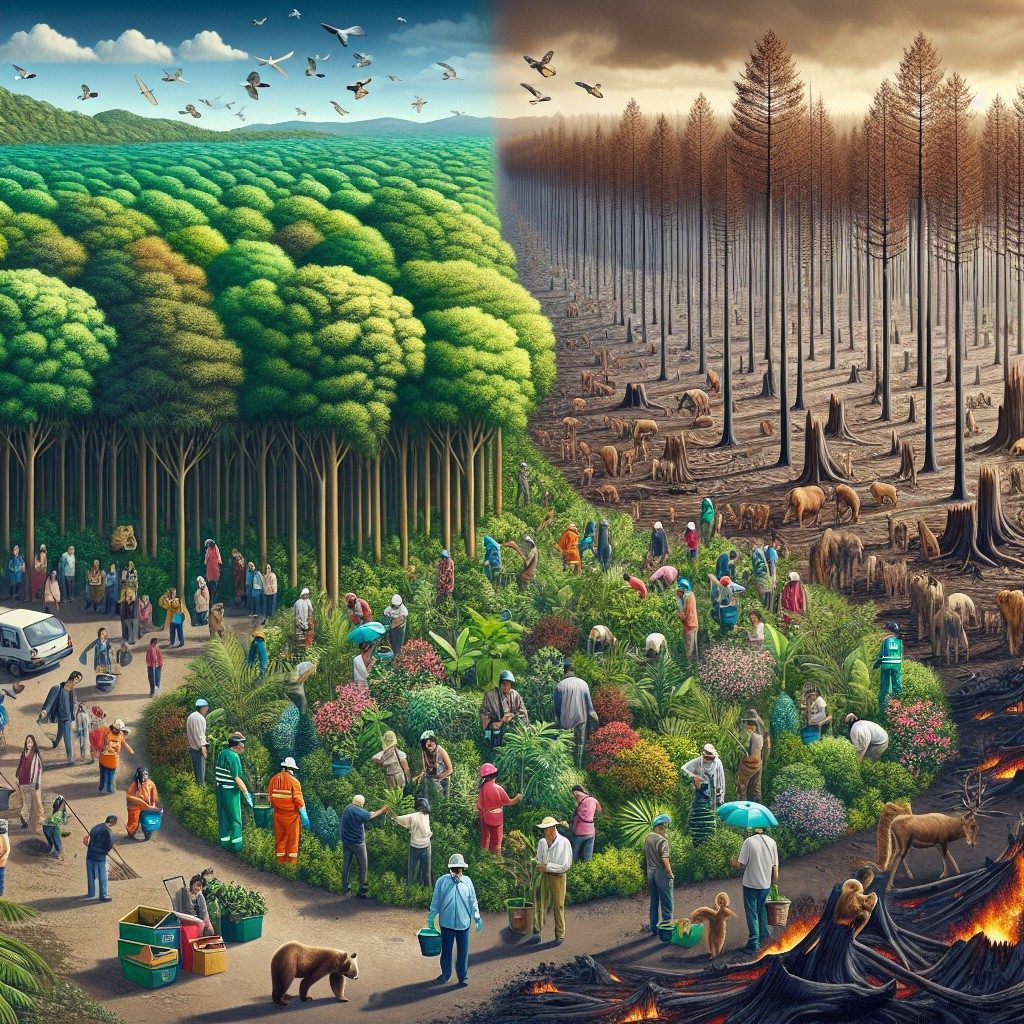
Romania’s forests cover nearly 30% of its land area, hosting some of Europe’s last intact old-growth woods. However, rapid deforestation driven by illegal logging and unsustainable forestry practices has significantly undermined forest health over the past decade. Satellite data and field inspections reveal that deforestation rates in Romania remain among the highest in the European Union, resulting in habitat fragmentation, soil erosion, and reduced carbon sequestration capacity.
Legal Framework and Enforcement Challenges
The country’s Forestry Code and EU regulations aim to regulate timber harvesting and forest protection, but enforcement remains a critical issue. Corruption and lack of adequate monitoring have enabled illegal logging activities to persist, often beyond the reach of authorities. Romania’s government has announced stricter measures and increased funding for forest guards; nevertheless, many experts argue that without transparent governance and community engagement, these efforts will fall short in curbing deforestation effectively.
Community-led Initiatives and Sustainable Forestry
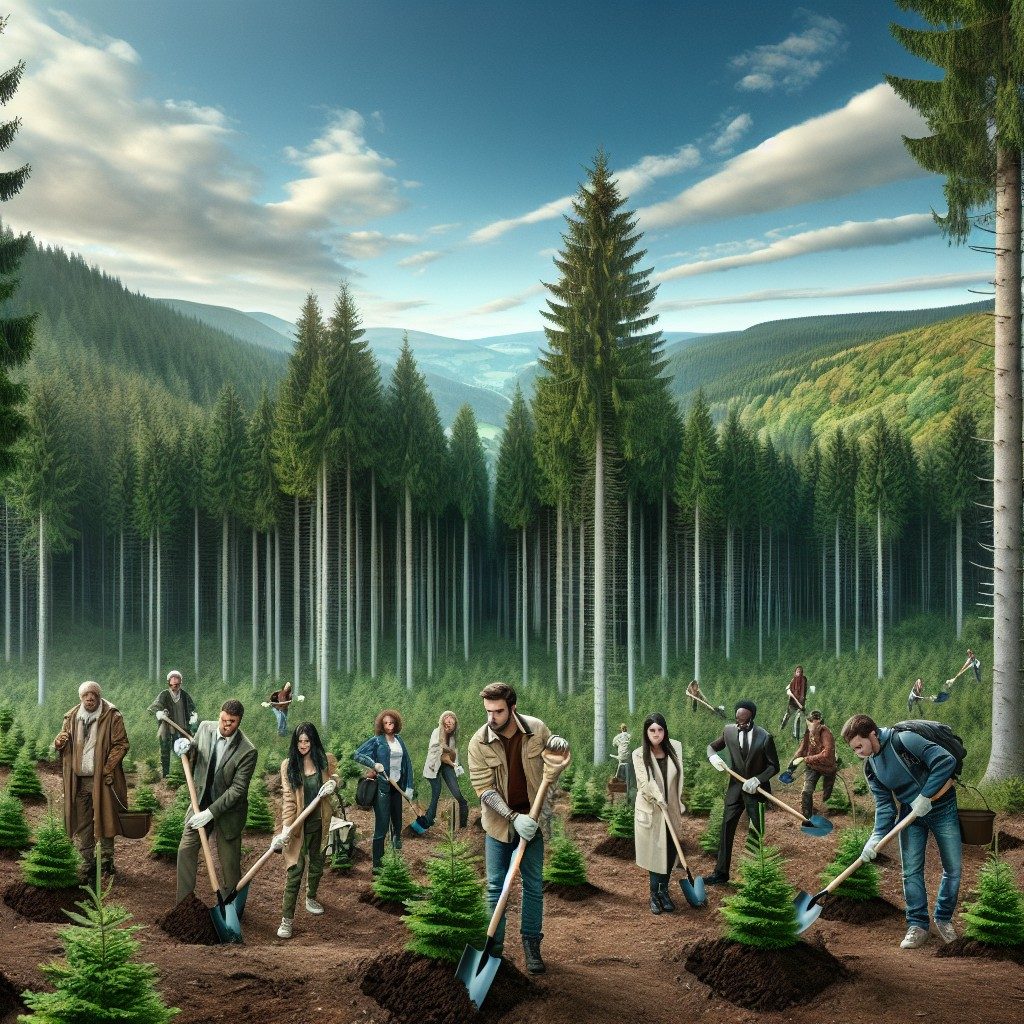
Amid institutional challenges, local communities and NGOs have initiated sustainable forestry projects focused on preserving forest ecosystems while supporting livelihoods. These projects involve selective logging practices, reforestation efforts, and eco-tourism development designed to reduce pressure on forest resources. By promoting the sustainable use of forest products and raising public awareness, community-led initiatives contribute to building resilience against the adverse effects of deforestation.
Technological Tools and Monitoring Solutions
Recent advances in technology have enabled better monitoring of deforestation. Romania has started to leverage satellite imagery, drones, and geographic information systems (GIS) to detect illegal activities in near real-time. Collaborations with international organizations aim to enhance data transparency and support law enforcement. These technological tools offer promising support to forest authorities, enabling targeted actions and improved forest management practices.
International Cooperation and Funding
International cooperation plays a vital role in combating Romania’s deforestation challenges. The European Union provides funding for forest conservation and sustainable management projects through various programs. Additionally, partnerships with international conservation organizations facilitate knowledge exchange and capacity building. Through these collaborations, Romania strives to align its forest policies with global environmental goals and contribute to mitigating climate change impacts.
Conclusion
Romania’s fight against deforestation remains complex and multifaceted, implicating environmental, social, and governance dimensions. Real solutions on the ground increasingly combine stricter regulation, technological innovation, community involvement, and international support. While challenges persist, these integrated approaches offer hope for reversing deforestation trends and safeguarding Romania’s valuable forest ecosystems for future generations. Persistent commitment and adaptive management will be essential as Romania navigates this ongoing environmental issue.
Frequently Asked Questions about deforestation
What causes deforestation in Romania?
Deforestation in Romania is primarily caused by illegal logging, unsustainable forestry practices, and land conversion, exacerbated by weak enforcement of forestry regulations.
How does deforestation impact Romania’s environment?
Deforestation leads to loss of biodiversity, soil degradation, increased carbon emissions, and disruption of water cycles, which collectively harm Romania’s forest ecosystems and rural communities.
What steps is Romania taking to control deforestation?
Romania is enhancing forest monitoring through technology, strengthening legal enforcement, supporting sustainable forestry, and engaging local communities in conservation efforts.
Can international organizations help reduce deforestation in Romania?
Yes, international organizations contribute funding, technical expertise, and policy support to help Romania address deforestation in line with global environmental commitments.
Why is monitoring important in tackling deforestation?
Monitoring allows timely detection of illegal logging and forest degradation, enabling authorities to take prompt action and design better land management strategies to combat deforestation effectively.