As cities continue to grow and temperatures rise globally, the phenomenon of urban heat islands is becoming an increasingly urgent challenge. Urban heat islands occur when metropolitan areas experience significantly higher temperatures than their rural surroundings, mainly due to human activities and the dense concentration of buildings and infrastructure. Recent research and innovative design strategies are helping cities to cool their streets more effectively and mitigate the impacts of urban heat.
Understanding urban heat islands and their impact
Urban heat islands are primarily caused by the prevalence of impervious surfaces like asphalt, concrete, and rooftops, which absorb and re-emit heat much more than natural landscapes. This effect can raise city temperatures by several degrees compared to nearby rural areas, exacerbating energy consumption, air pollution, and health risks, particularly heat-related illnesses. As global warming intensifies, addressing urban heat becomes critical for the resilience and livability of urban populations.
Cool pavements as an effective street cooling strategy
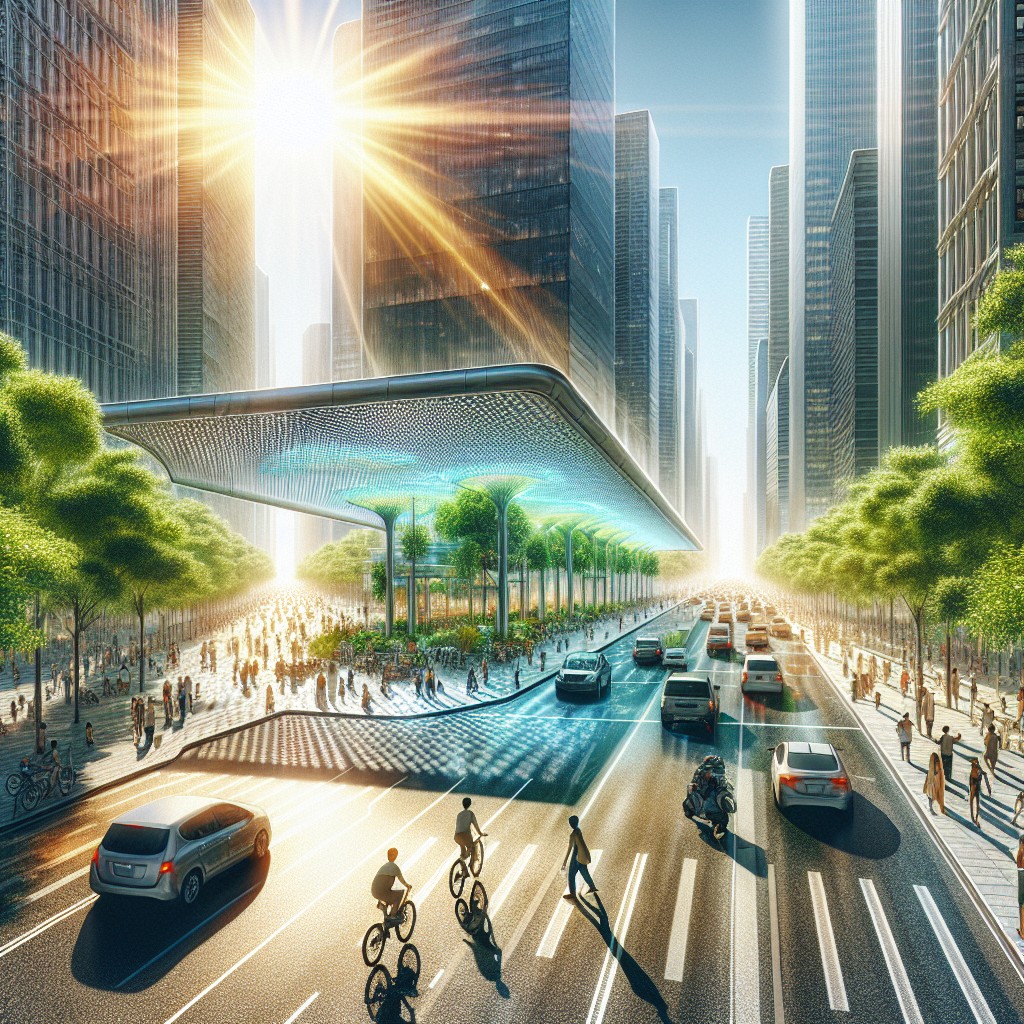
One promising design intervention to counter urban heat islands is the installation of cool pavements. These pavements use reflective materials or technologies that increase solar reflectance and lower heat absorption. Studies have shown that cool pavements can reduce surface temperatures by 10 to 15 degrees Fahrenheit compared to conventional asphalt. Beyond temperature reduction, they also improve pedestrian comfort and can decrease the urban demand for air conditioning, leading to energy savings.
Expanding urban greenery and its role in temperature regulation
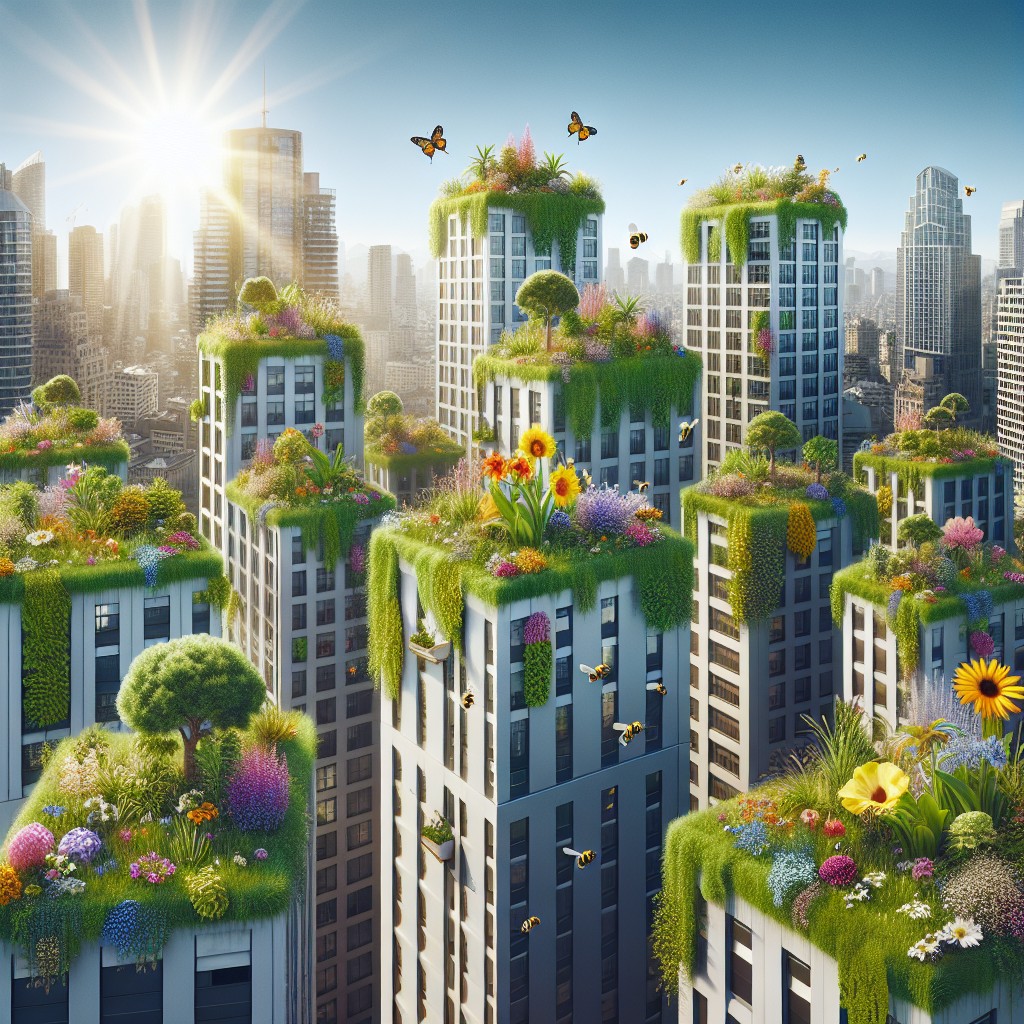
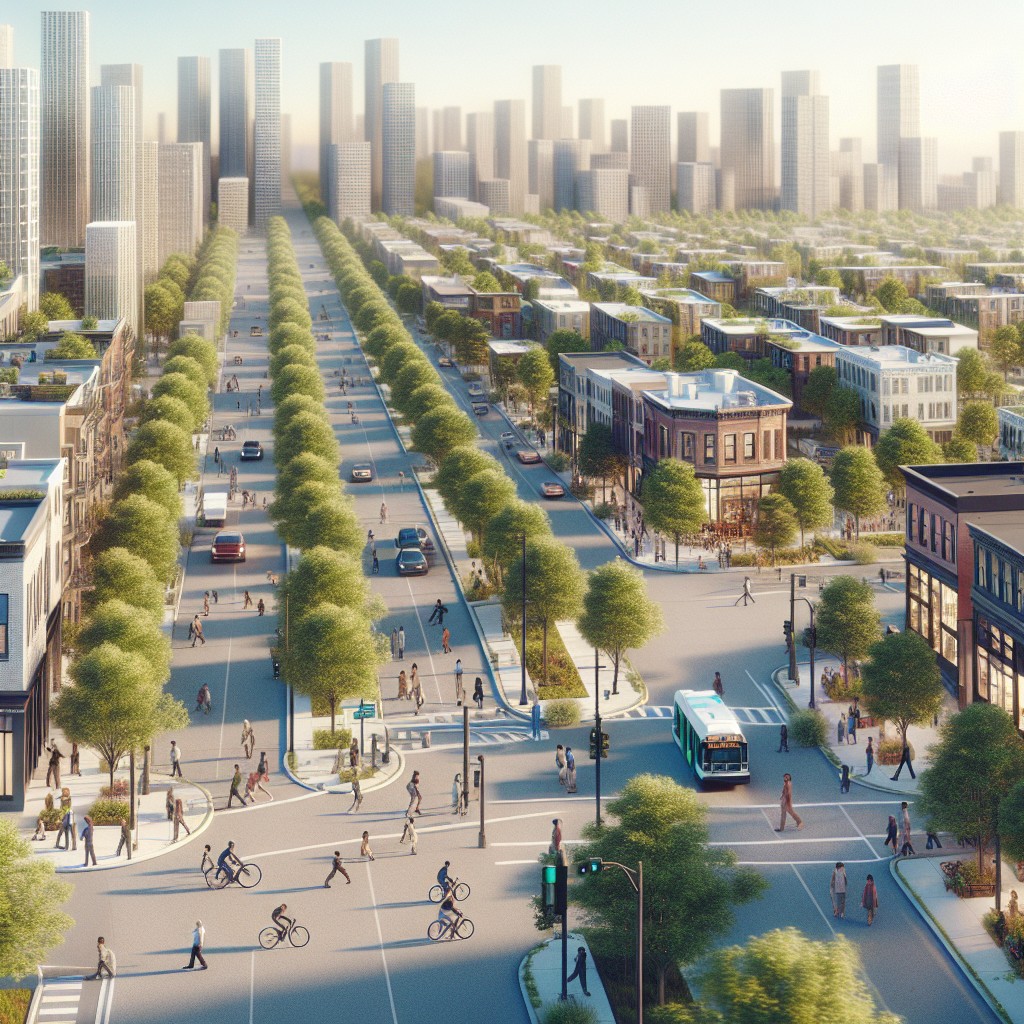
Incorporating more trees and vegetation along streets and open areas is a time-tested method to mitigate urban heat. Vegetation provides shade and increases evapotranspiration, both of which contribute to cooling. Modern urban planning integrates green corridors and pocket parks to strategically reduce the heat absorbed by buildings and streets. While green space expansion requires thoughtful maintenance and water management, its benefits extend beyond cooling, including improving air quality and enhancing biodiversity.
Innovative shading structures and materials
Aside from natural greenery, engineered shading solutions such as pergolas, tensile fabric canopies, and green walls are gaining popularity as rapid means to reduce street-level temperatures. These structures block direct sunlight, decrease radiant heat, and create cooler microclimates. The choice of materials and design orientation is crucial to maximize cooling effects without compromising urban functionality. Cities investing in such infrastructure report noticeable decreases in street heat during peak summer periods.
Integrating water features for immediate cooling effects
Water has a high capacity for absorbing heat, making fountains, misting systems, and small water bodies effective in reducing ambient temperatures in urban settings. When integrated into street design, these water features not only cool the air through evaporation but also provide comfort and aesthetic value for residents. However, their implementation requires careful consideration of water use efficiency given the concerns around sustainability and resource availability.
Monitoring and adaptive management for sustained impact
To ensure that cooling interventions are effective and sustainable, cities are increasingly relying on real-time monitoring of urban heat patterns using sensors and satellite data. This data informs adaptive management, enabling adjustments in urban design and maintenance approaches. By continuously assessing the outcomes, municipalities can optimize investment in heat mitigation and make informed policy decisions that prioritize public health and environmental quality amidst a changing climate.
Conclusion
Addressing urban heat islands through targeted design fixes such as cool pavements, expanded greenery, shading structures, and water features offers a multifaceted approach to cooling city streets quickly. As global temperatures rise, these strategies will be essential components of urban resilience, improving energy efficiency and public well-being. Forward-looking urban planning that incorporates these interventions, supported by data-driven monitoring, is expected to become standard practice to combat the growing challenge of urban heat.
Frequently Asked Questions about urban heat
What causes urban heat islands?
Urban heat islands are caused by the concentration of heat-absorbing materials like asphalt and concrete, reduced vegetation, and human activities, which increase temperatures in cities compared to surrounding rural areas.
How do cool pavements contribute to reducing urban heat?
Cool pavements use reflective or porous materials that absorb less heat and reflect more sunlight, effectively lowering surface temperatures and helping to reduce overall urban heat levels.
Can adding trees really help with urban heat?
Yes, trees provide shade and promote evapotranspiration, both of which help to cool the air and surfaces, making them a natural and efficient way to combat urban heat.
Are water features a practical solution to urban heat?
Water features like fountains and misting systems can quickly reduce surrounding temperatures through evaporation, but they should be designed carefully to manage water usage sustainably.
How important is monitoring in managing urban heat?
Real-time temperature and environmental data help cities track the effectiveness of cooling strategies and adjust urban design plans to better manage urban heat impacts over time.