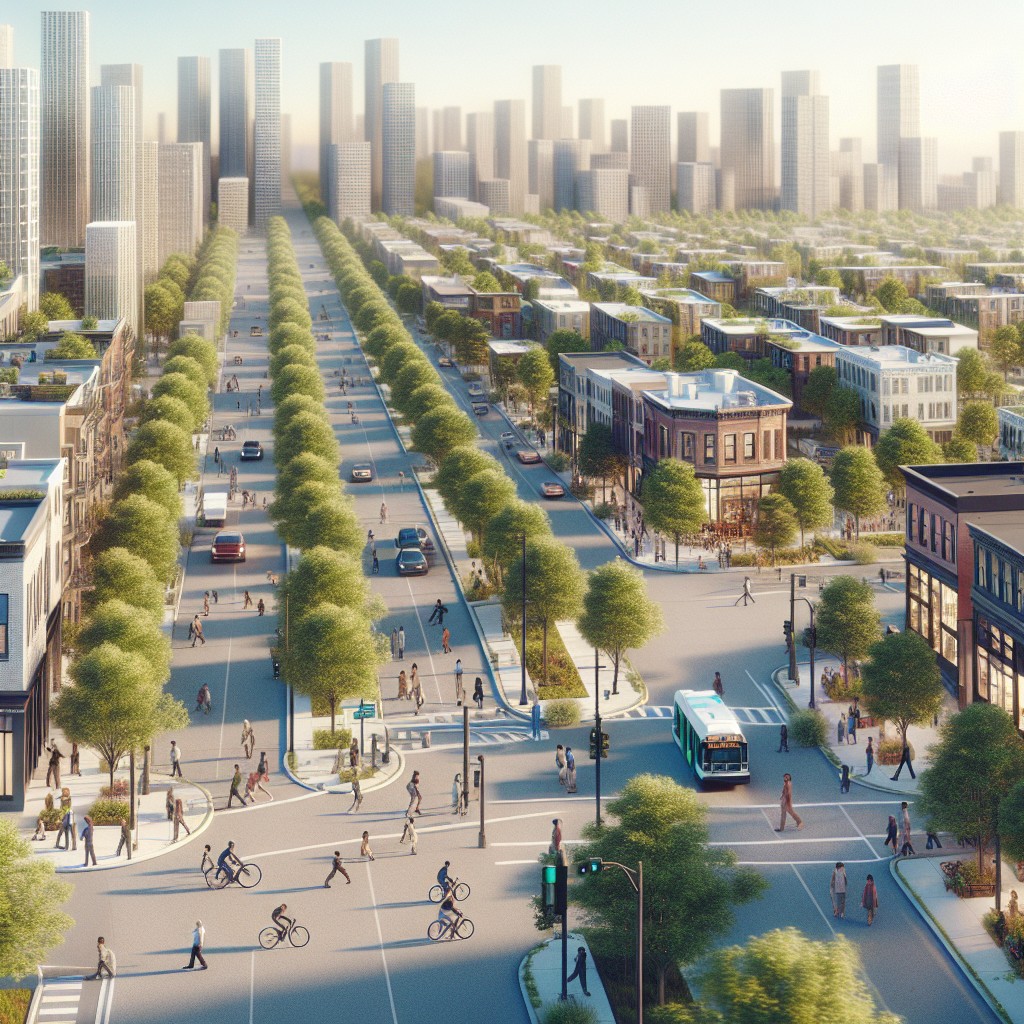
The concept of the 15-minute city has gained traction in urban planning as cities worldwide seek sustainable and community-focused development. The idea promotes having essential services, workspaces, and leisure facilities located within a 15-minute walk or bike ride from residents’ homes. However, while this model offers numerous benefits, its implementation has revealed both successes and challenges in practice.
Understanding the 15-minute city model
The 15-minute city model aims to decentralize urban areas by reducing the need for cars and promoting local living. The goal is to make cities more sustainable, reduce traffic congestion, and improve residents’ quality of life by fostering healthy lifestyles and stronger community ties. This urban design encourages mixed-use neighborhoods where housing, education, health services, shops, and entertainment are geographically close.
Successful examples in urban settings
Several cities have successfully adopted elements of the 15-minute city concept. Paris, one of the pioneers in embracing this approach, has implemented policies that rearranged urban spaces to prioritize pedestrians and cyclists over vehicles. By creating green corridors and promoting local businesses, the city has reported improvements in air quality and a rise in active transportation. Similarly, Melbourne has invested in local hubs integrating amenities and workplaces, making neighborhoods more self-sufficient and resilient.
Economic and social benefits observed
One of the key advantages of the 15-minute city is its positive impact on local economies. Small business growth is often stimulated as more residents shop and spend time close to home. Social cohesion also tends to increase when people have more opportunities to interact within their communities. Additionally, reducing car dependence contributes to lowering carbon emissions and improving public health through increased physical activity. These benefits demonstrate the potential of the 15-minute city to address multiple urban challenges simultaneously.
Challenges and unintended consequences
Despite the promising aspects, the implementation of the 15-minute city concept has faced notable obstacles. In some cases, efforts to limit vehicle access triggered backlash from residents concerned about reduced mobility, especially in less densely populated areas where alternatives are limited. Moreover, the model risks promoting gentrification if investments in neighborhoods drive up housing costs, displacing lower-income residents. Balancing accessibility with affordability remains a complex issue for city planners aiming to equitably apply the 15-minute city principles.
Key factors for effective implementation
For the 15-minute city concept to succeed, urban planning must be context-specific and inclusive. Infrastructure improvements should consider existing demographics and provide options for all residents, including those with mobility challenges. Transparent community engagement is vital to address concerns and tailor initiatives accordingly. Integrating public transportation within the 15-minute radius ensures connectivity without reliance on private vehicles. Additionally, policies that prevent displacement and promote affordable housing are crucial to maintaining social diversity in neighborhoods.
Conclusion
The 15-minute city presents a compelling framework for making urban living more sustainable, accessible, and community-oriented. While practical applications show promising benefits such as reduced emissions and strengthened local economies, challenges relating to equity and mobility cannot be overlooked. Moving forward, cities adopting this model will need to carefully balance innovation with inclusiveness, ensuring that the advantages of a 15-minute city are shared broadly across diverse populations.
Frequently Asked Questions about 15-minute city
What is the main goal of a 15-minute city?
The main goal of a 15-minute city is to design urban areas so that residents can access essential services, workplaces, and recreational spaces within a 15-minute walk or bike ride, promoting sustainability and convenience.
How does the 15-minute city impact transportation?
The 15-minute city reduces dependence on private cars by encouraging walking, cycling, and public transit, thereby decreasing traffic congestion and lowering environmental pollution.
Are there social risks associated with the 15-minute city concept?
Yes, if not carefully managed, the 15-minute city can lead to gentrification and displacement of lower-income residents, posing challenges to social equity within urban neighborhoods.
Which cities have implemented the 15-minute city model successfully?
Cities like Paris and Melbourne have implemented aspects of the 15-minute city model by creating mixed-use neighborhoods and prioritizing pedestrian and cyclist infrastructure.
How can planners ensure the 15-minute city benefits all residents?
Planners can promote inclusivity by engaging communities, ensuring affordable housing, providing accessible public transportation, and tailoring infrastructure to diverse population needs within the 15-minute radius.