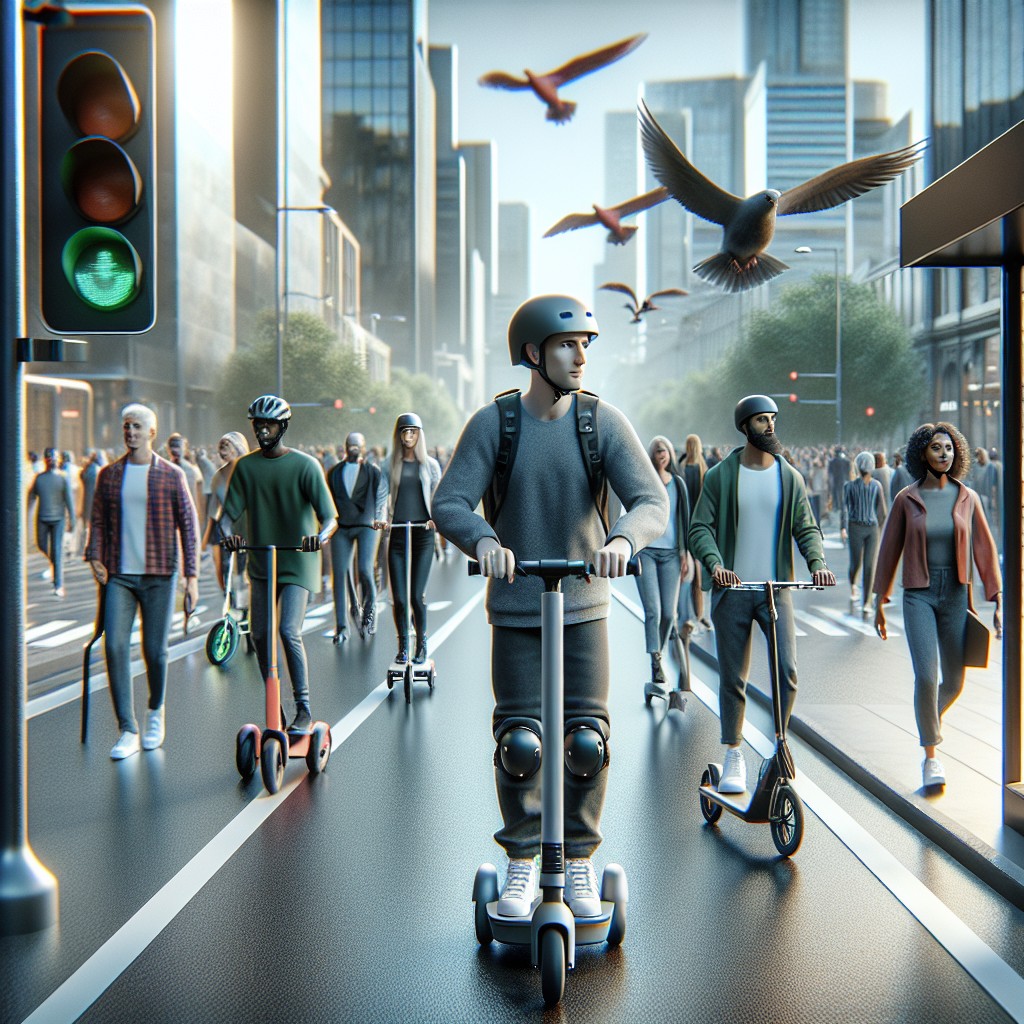
In recent years, e-scooters have surged in popularity as part of the broader micromobility trend, transforming urban transportation. However, the rise of this convenient travel mode has raised significant safety concerns. New regulations introduced worldwide aim to enhance micromobility safety by reducing e-scooter-related injuries and ensuring safer streets for all.
Background on E-Scooter Injuries
E-scooters, known for their ease of access and low environmental impact, have nonetheless contributed to a noticeable increase in injuries in urban areas. Emergency departments across multiple countries have reported surges in accidents related to e-scooter use, involving everything from minor abrasions to serious head traumas. A significant factor in these injuries is the lack of clear guidelines and inconsistent helmet use by riders.
Recent Regulatory Developments
Authorities in cities like Paris, New York, and Berlin have implemented new rules aimed at tackling the safety challenges linked to e-scooters. These regulations typically include speed limits ranging from 12 to 20 km/h in congested areas, mandatory helmet laws, and restrictions on where e-scooters can be ridden and parked. Some municipalities have also introduced licensing requirements for rental companies to ensure their fleets comply with safety standards and maintenance schedules.
Data Shows Positive Impact on Micromobility Safety
Early studies tracking the effects of these regulations suggest they have made a noticeable difference. Hospitals have recorded a decline in the number of severe injuries in locations with strict e-scooter rules compared to places with more lenient policies. Experts attribute these improvements to a combination of reduced speed caps and mandatory helmet requirements, which have directly contributed to decreasing the severity and frequency of accidents.
Challenges in Enforcement and Compliance
Despite positive outcomes, enforcement remains a challenge. Some e-scooter users continue to disregard speed limitations and helmet mandates, raising concerns about compliance. While technological measures like geofencing can limit speeds electronically, human behavior and infrastructure constraints still affect micromobility safety. For example, inadequate bike lanes force riders into traffic, increasing accident risks. Ongoing education campaigns and improved urban design are critical components in supporting safer e-scooter usage.
Global Perspectives on Micromobility Safety
The issue of micromobility safety is not confined to a single region. Countries worldwide are grappling with integrating e-scooters into their transport ecosystems while safeguarding public health. International transportation authorities and safety organizations emphasize the importance of data-driven policies and multi-stakeholder cooperation to address emerging safety concerns. Collaborative efforts between manufacturers, fleet operators, regulators, and city planners are essential to develop a unified approach to micromobility safety that can be adapted globally.
As urban centers continue to evolve, the balance between convenience, environmental benefits, and safety remain the priority. The recent micromobility reset through enhanced e-scooter rules represents a crucial step forward in reducing injuries and promoting responsible usage among millions of daily riders. Continued monitoring and adaptive regulation will be necessary to sustain these improvements.
Frequently Asked Questions about micromobility safety
What are the key elements that improve micromobility safety for e-scooter users?
Key elements include speed limits, mandatory helmet use, clearer regulations on where e-scooters can be ridden, and proper maintenance of the devices. These measures collectively contribute to enhancing micromobility safety.
How effective are helmet laws in increasing micromobility safety?
Helmet laws significantly increase micromobility safety by reducing the risk and severity of head injuries among e-scooter riders. Data shows that areas enforcing helmet use experience fewer serious injuries.
Can technology help enforce micromobility safety regulations?
Yes, technology such as speed limiters, geofencing, and GPS tracking help enforce micromobility safety by controlling speeds and restricting access to certain zones, thus promoting safer riding behaviors.
Are there international standards for micromobility safety?
While there is no single global standard, international bodies and urban transportation authorities provide guidelines and recommendations for micromobility safety. Collaborative efforts focus on harmonizing best practices to protect riders worldwide.
What role do infrastructure improvements play in micromobility safety?
Infrastructure improvements, such as dedicated bike lanes and clearer road markings, are vital to micromobility safety by providing safer travel spaces for e-scooter users and reducing conflicts with pedestrians and vehicles.
Micromobility safety advancements through policy, technology, and infrastructure hold promise for safer urban mobility ahead.